
Wallscape DOOH screen – P3 Resolution
OOH Advertising Malaysia
Advertising innovations are revolutionizing how brands reach captive audiences across multiple touchpoints throughout daily consumer journeys. Modern advertisers leverage diverse channels combining digital technology with strategic physical placements creating unprecedented brand exposure opportunities for businesses.
📱 Digital & Online Advertising
Internet-based formats that dominate modern media buying
| Innovation | What It Is | Best For | Status |
|---|---|---|---|
| Programmatic Advertising | Automated buying and selling of ad space in real time using algorithms and audience data via DSPs and SSPs | Scalable brand and performance campaigns across display, video and mobile | Mainstream |
| Retargeting / Remarketing | Serving ads to users who previously visited your website or engaged with your content using pixel or cookie tracking | Re-engaging warm audiences, recovering abandoned carts, boosting conversions | Mainstream |
| Native Advertising | Paid content that matches the look and feel of the surrounding editorial content on a platform or publisher site | Content marketing, brand storytelling, non-disruptive awareness | Mainstream |
| Social Media Ads | Paid placements on Meta, TikTok, Instagram, LinkedIn, X and YouTube with precise demographic and interest targeting | Brand awareness, lead generation, e-commerce sales, community building | Mainstream |
| Shoppable Ads | Ads that allow users to purchase products directly within the ad unit without leaving the platform — common on Instagram and TikTok | E-commerce, impulse purchases, reducing funnel friction | Growing |
| Search Advertising (PPC) | Text ads shown at the top of search engine results when users search specific keywords — pay per click model via Google Ads or Bing | High-intent users, local businesses, lead generation | Mainstream |
| Interactive Video Ads | Video ads with embedded clickable elements, polls, quizzes or branching paths that users can interact with during playback | Engagement-focused campaigns, product demos, storytelling | Growing |
| Connected TV (CTV) Ads | Non-skippable video ads served on smart TVs and streaming platforms like Netflix, Disney+ and local OTT services | Premium brand campaigns, reaching cord-cutters, video storytelling | Growing |
| In-Game Advertising | Ads placed within video games — includes billboards inside game worlds, branded items, rewarded video, and banner overlays | Youth and millennial audiences, high-engagement environments | Growing |
🏫 Out-of-Home (OOH) & Digital OOH
Physical and digital advertising in public spaces
| Innovation | What It Is | Best For | Status |
|---|---|---|---|
| Digital Billboards (DOOH) | LED screens in high-traffic locations showing rotating ads, updated remotely in real time without reprinting | Brand awareness, time-sensitive promotions, multiple advertisers sharing one screen | Mainstream |
| Programmatic DOOH | Automated buying of digital outdoor ad slots in real time, triggered by conditions like weather, time of day or audience data | Data-driven OOH campaigns, contextual relevance, flexible buying | Growing |
| 3D Anamorphic Billboards | Large-format optical illusion displays that appear three-dimensional when viewed straight-on — designed to go viral on social media | High-impact brand launches, viral content generation, landmark locations | Growing |
| Transit Advertising | Ads on buses, trains, taxis, LRT stations and airports — reaching commuters at high frequency across their daily journey | Mass reach, commuter audiences, local brand awareness | Mainstream |
| Interactive OOH Screens | Touchscreen outdoor displays or motion-triggered panels that let passersby interact directly with the ad content | Product demos, experiential marketing, event promotions | Emerging |
| Geofenced OOH + Mobile | OOH campaigns paired with mobile retargeting — phones near a billboard are tracked and served follow-up digital ads later | Multi-channel campaigns, retail drive-to-store, event marketing | Growing |
🤖 AI-Powered Advertising
Machine learning and generative AI transforming how ads are created and targeted
| Innovation | What It Is | Best For | Status |
|---|---|---|---|
| AI Creative Generation | Using generative AI tools to produce ad copy, images, videos and headlines at scale — personalised to different audience segments automatically | A/B testing at scale, personalised creatives, rapid campaign production | Growing |
| Predictive Targeting | AI models that predict which users are most likely to convert based on behavioral patterns, purchase history and intent signals | Performance campaigns, reducing wasted impressions, maximising ROAS | Growing |
| Dynamic Creative Optimisation (DCO) | Automatically assembles personalised ad versions in real time from a library of assets — matching the right message to the right user | E-commerce, personalised offers, retargeting campaigns | Mainstream |
| Conversational Ads | AI chatbot-powered ad units that let users ask questions, browse products and get recommendations directly within the ad | Considered purchases, complex products, high-intent audiences | Emerging |
| AI Voice Ads | Smart speaker and voice assistant ads triggered by specific spoken queries on platforms like Alexa, Google Assistant and Siri | Local businesses, audio branding, hands-free environments | Emerging |
| Sentiment Analysis Targeting | AI scans content context and user sentiment in real time to serve ads only in brand-safe, emotionally relevant environments | Brand safety, contextual targeting, premium placements | Growing |
🎮 Experiential, AR & Immersive Advertising
Formats that create physical or virtual interactive brand experiences
| Innovation | What It Is | Best For | Status |
|---|---|---|---|
| Augmented Reality (AR) Ads | Ads that overlay digital elements onto the real world via smartphone camera — try-on filters, product previews, interactive overlays | Beauty, fashion, furniture, product launches and Snapchat/Instagram campaigns | Growing |
| Virtual Reality (VR) Ads | Fully immersive brand experiences delivered via VR headsets — users can explore showrooms, destinations or brand worlds in 360° | Property, automotive, travel, premium brand storytelling | Emerging |
| Metaverse Advertising | Brand placements, virtual stores and sponsored experiences inside platforms like Roblox, Fortnite, Decentraland and similar virtual worlds | Gen Z audiences, gaming brands, virtual product launches | Emerging |
| Experiential / Pop-Up | Brand-activated physical experiences — installations, interactive pop-up stores and live events designed to be shared on social media | FMCG, lifestyle brands, product sampling, social content generation | Mainstream |
| Gamified Advertising | Ads that incorporate game mechanics — spin-to-win, mini-games, challenges — to increase dwell time and engagement rates | Promotions, loyalty campaigns, app downloads, youth audiences | Growing |
| QR Code Advertising | Physical or digital ads linking to landing pages, offers or AR experiences via a QR code scan — bridging offline and online media | Print, OOH, packaging, point of sale, events | Mainstream |
🎧 Audio, Influencer & Creator Advertising
People-led and audio-first formats growing rapidly in reach and trust
| Innovation | What It Is | Best For | Status |
|---|---|---|---|
| Influencer Marketing | Brands partnering with social media creators to promote products authentically to their engaged audiences on Instagram, TikTok, YouTube | Trust-building, niche audiences, product reviews, lifestyle brands | Mainstream |
| Micro & Nano Influencers | Partnering with smaller creators (1K–100K followers) who have higher engagement rates and more niche, loyal communities | Cost-effective reach, authentic promotion, hyper-targeted niches | Growing |
| Podcast Advertising | Host-read or dynamically inserted audio ads within podcast episodes — one of the highest-trust ad formats with engaged listeners | B2B, premium consumer brands, long-form storytelling, educated audiences | Growing |
| Digital Audio Ads | Audio ads served on streaming platforms like Spotify, Apple Music and radio apps — targeted by mood, genre, time of day | Brand awareness, commuter audiences, screen-free moments | Growing |
| Live Commerce / Live Shopping | Real-time shoppable livestreams on TikTok, Shopee, Lazada and Instagram where hosts demo products and viewers buy instantly | E-commerce, flash sales, beauty and fashion, FMCG in Southeast Asia | Growing |
| User-Generated Content (UGC) Ads | Repurposing real customer photos, videos and reviews as paid ad creative — more authentic than polished branded content | E-commerce, social proof, performance campaigns, community building | Mainstream |
📊 Data-Driven & Privacy-First Advertising
Targeting and measurement evolving in a cookieless, consent-driven world
| Innovation | What It Is | Best For | Status |
|---|---|---|---|
| First-Party Data Advertising | Using a brand’s own customer data (CRM, email lists, purchase history) to target and personalise ads without relying on third-party cookies | Retention marketing, loyalty campaigns, known-customer targeting | Growing |
| Contextual Targeting | Serving ads based on the content of the page being read — no user tracking required. Relevant again as third-party cookies are phased out | Brand-safe environments, cookieless targeting, content-matched ads | Growing |
| Lookalike Audiences | Platforms use machine learning to find new users who share characteristics with your best existing customers — available on Meta, Google and TikTok | Prospecting, scaling campaigns, customer acquisition | Mainstream |
| Retail Media Networks | Advertising on e-commerce platforms like Lazada, Shopee, Amazon — ads shown at point of purchase using the retailer’s first-party shopper data | FMCG, consumer goods, direct-to-consumer brands, product launches | Growing |
| Geofencing & Location Targeting | Triggering mobile ads when a user enters a defined geographic area — used for competitor conquesting, event targeting and drive-to-store | Retail, F&B, events, local businesses, competitor proximity campaigns | Mainstream |
| Clean Room Data Collaboration | Brands and platforms share anonymised data in a secure environment to measure ad effectiveness without exposing individual user data | Cross-channel measurement, privacy-compliant attribution, enterprise brands | Emerging |
ⓘ Status key: Mainstream = widely adopted industry standard · Growing = rapidly increasing adoption · Emerging = early stage, high future potential
Malaysia's PREMIER Innovation Hub
Today’s most successful campaigns integrate multiple channels strategically recognizing that consumers encounter brands across airports, highways, transit systems, and shopping destinations. Understanding each channel’s unique advantages enables marketers to allocate budgets effectively and maximize return on advertising investments consistently.
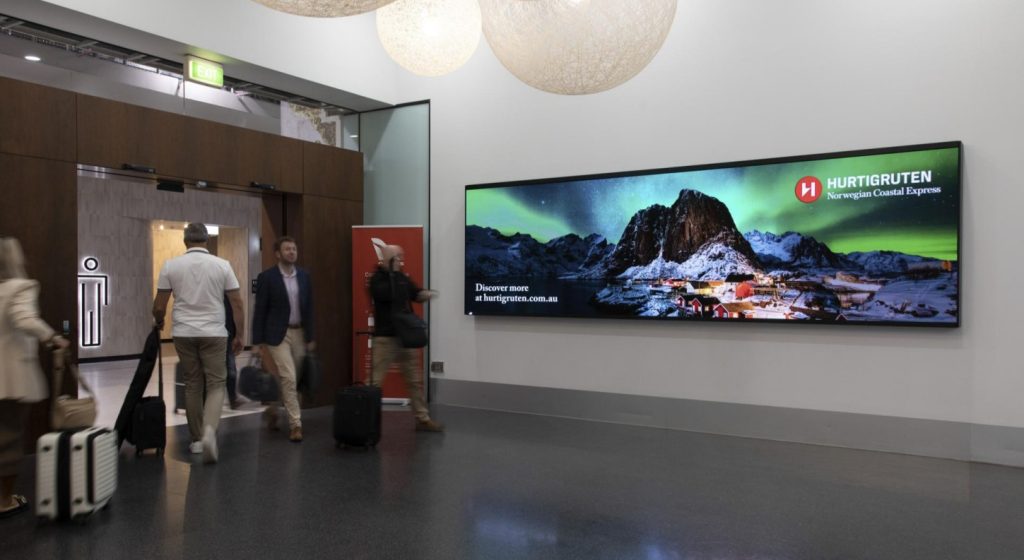
Any Platforms, Any Formats.
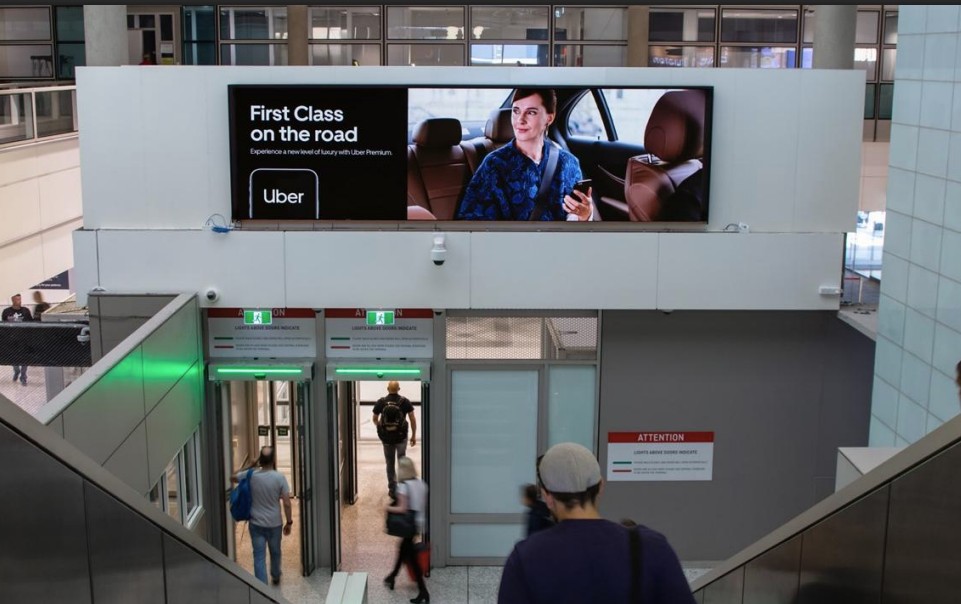
Where Are the Seven Impact Outdoor Advertising Channels?
- ✓ Airport advertising capturing affluent, engaged travellers during extended dwell time periods
- ✓ Highway billboards reaching high-speed audiences across commuter corridors and major routes
- ✓ MRT/commuter transit engaging daily commuters in captive transit environments continuously
- ✓ Bus wrap advertising creating mobile billboards traversing city streets and neighbourhoods
- ✓ Shopping mall displays targeting retail-minded consumers during peak shopping hours
- ✓ Media facades dominating urban skylines with high-impact digital installations nightly
- ✓ Toll plaza lightboxes capturing vehicle operators during mandatory payment stops daily
Why Should First-Time Buyers Consider Airport Advertising?
Airport advertising delivers captive audiences with exceptional engagement rates and extended viewing windows. Seventy-five percent of frequent flyers arrive one hour early, creating guaranteed exposure opportunities for brands targeting affluent, mobile consumer segments effectively and measurably.
Airports attract diverse demographic audiences including business professionals and leisure travellers spanning multiple income levels. This audience composition makes airports ideal for brands seeking premium positioning and high-quality customer engagement throughout passenger journeys.
Any Platforms, Any Formats.

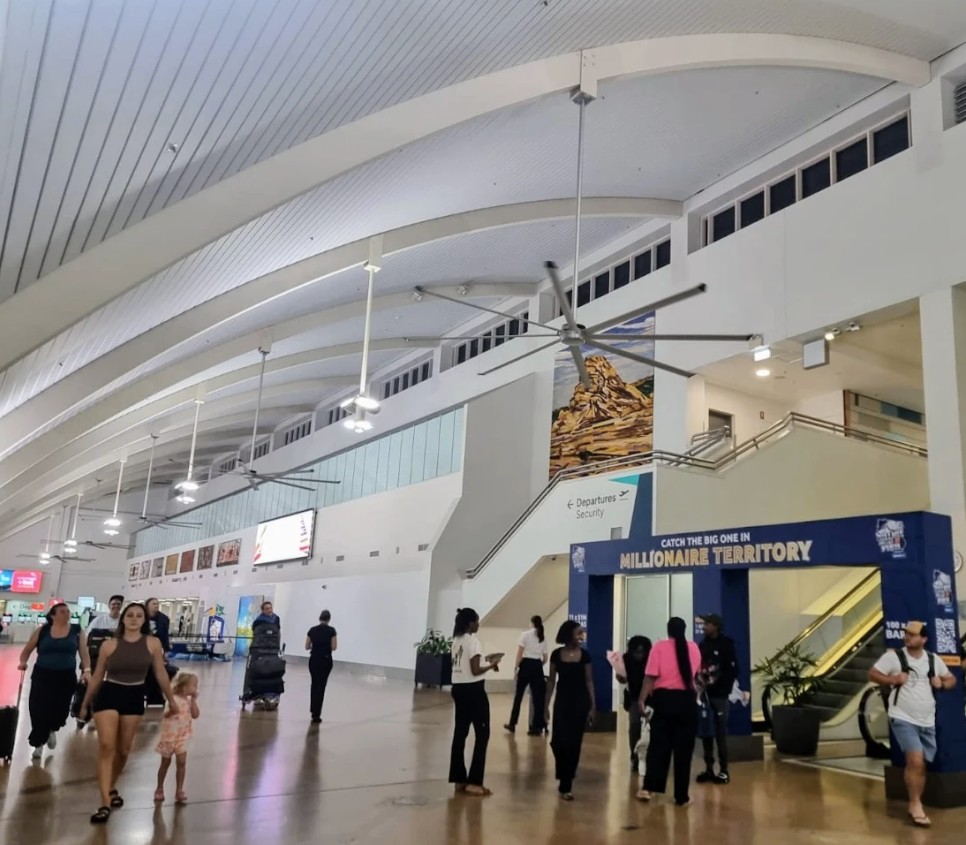
How Do Highway Billboards Complement Other Channels?
- ✓ High-speed exposure reaches commuters during peak traffic periods across major routes
- ✓ Massive reach captures thousands of daily vehicle movements cost-effectively and efficiently
- ✓ Geographic targeting positions brands along commuter corridors reaching specific demographics
- ✓ Brand awareness builds through repeated exposure across weekly commuting patterns
- ✓ Budget-friendly option delivers impressions at lower cost-per-thousand metrics than alternatives